


Pycnogenol Strong
/
(5 lei/tablet, 15-30 days of administration/box)
Benefits of Pycnogenol Strong
✓
✓
✓
✓
Hurry up! Only 6 left in stock
Pickup availability could not be loaded yet
Complete care with two products:


Description
Description
Pycnogenol Strong – vascular support, antioxidant, and microcirculation
Pycnogenol is a standardized extract from the bark of the French maritime pine (Pinus pinaster), rich in polyphenols and proanthocyanidins. It is mainly used to support circulation, blood vessels, microcirculation, and overall antioxidant protection.
Pycnogenol Strong is a formula suitable for people seeking vascular support, antioxidant protection, and circulatory balance support, without exaggerated promises and without replacing medical treatments when necessary.
How does Pycnogenol Strong help you?
- Supports normal blood vessel function and vascular endothelium integrity.
- Contributes to protecting cells against oxidative stress.
- May support microcirculation and vascular comfort.
- May be useful for people experiencing heavy legs or mild venous discomfort.
- Supports vascular elasticity through mechanisms related to nitric oxide.
- May help reduce capillary permeability and mild edema.
- May support skin health, hydration, and elasticity.
- Can be integrated into antioxidant, cardiovascular, and metabolic protocols.
How does Pycnogenol work?
Pycnogenol contains active plant compounds, especially proanthocyanidins, which can act through several complementary mechanisms.
- Antioxidant: helps reduce oxidative stress and may support the recycling of important antioxidants such as vitamin C and vitamin E.
- Vascular: may support endothelial function and nitric oxide production, important for blood vessel elasticity.
- Microcirculatory: may support fine circulation at the capillary level and venous comfort.
- Moderate anti-inflammatory: may help balance mediators involved in underlying inflammation.
Where can it be useful in practice?
Pycnogenol is frequently used in contexts related to circulation, blood vessels, oxidative stress, skin, and metabolic balance.
- Heavy legs and venous discomfort: may support microcirculation and vascular comfort.
- Endothelial function: may support vessel elasticity and normal vascular response.
- Oxidative stress: may be useful in broader antioxidant protocols.
- Skin: some data suggest support for skin elasticity and hydration.
- Metabolism: some studies have examined modest effects on cardiometabolic markers.
What do studies show?
Research on Pycnogenol has evaluated its effects on microcirculation, endothelial function, oxidative stress, blood pressure, skin, and some metabolic markers. The results are promising but should be interpreted correctly: Pycnogenol is not a medicine and does not replace prescribed treatment.
- Pycnogenol and chronic venous insufficiency
- Pycnogenol and endothelial function
- Pycnogenol and blood pressure – meta-analysis
- Pycnogenol and skin health
- Pycnogenol and cardiometabolic markers – meta-analysis
Why choose Pycnogenol Strong?
- Standardized extract from French maritime pine bark.
- Contains polyphenols and proanthocyanidins with antioxidant roles.
- Formula focused on vascular and microcirculatory support.
- Can be used in supportive courses for circulation, oxidative stress, and vascular health.
- Easily integrates into complementary protocols for cardiovascular and metabolic health.
Ingredients and administration
Composition
Pycnogenol Strong contains a standardized extract from French maritime pine bark, rich in polyphenols and proanthocyanidins.
For the exact amount per capsule and the full list of ingredients, it is recommended to check the product label.
How to take
The usual dose is 1–2 capsules per day, preferably with meals, especially for people with sensitive stomachs.
For evaluating the effect, consistent administration for 4–8 weeks is recommended. If you have a specific goal, such as reducing the sensation of heavy legs or improving vascular comfort, it is useful to note symptoms at the start and reassess after a few weeks.
Warnings
Pycnogenol Strong is a dietary supplement and does not replace a balanced diet, a healthy lifestyle, or prescribed medical treatment.
Caution is advised for people on anticoagulant or antiplatelet treatment, antihypertensive treatment, diabetes treatment, those at risk of bleeding, before surgical interventions, as well as during pregnancy or breastfeeding.
If unpleasant reactions occur such as gastric discomfort, nausea, headache, dizziness, or allergic reactions, it is recommended to stop taking the product and consult a doctor.
Delivery and returns
Delivery and returns
Delivery and Costs
- Romania: 1–3 business days (25 lei)
- Sweden: 7–10 business days (225 lei)
- Rest of Europe: 7–10 business days (100 lei)
- Payment Methods: Online by card or Cash on Delivery (Cash on Delivery is available only in Romania).
Return Policy
- Printed Products/Supplements: Can be returned within a maximum of 14 days from receipt. Return shipping costs are borne by the customer.
- Digital Products (Electronic Format): Due to their nature, returns are not accepted.
Prospect Pycnogenol Strong
Prospect Pycnogenol Strong
Întrebări frecvente
How long does it take to see the effects?
It depends on the goal. For venous comfort or microcirculation, many people assess the effects after 2–4 weeks, and a more accurate evaluation can be made after 6–8 weeks.
Can it help with varicose veins?
It may support venous comfort and the sensation of heavy legs, but it does not eliminate already formed varicose veins and does not replace a vascular consultation.
Who should be cautious?
People taking anticoagulants, antiplatelet agents, antihypertensives, or diabetes treatment, those at risk of bleeding, pregnant or breastfeeding women, and individuals allergic to plant extracts should consult a doctor before use.
Why choose Doctor Cip products?

Experience-based formulas
The products are not just simple supplements, but formulas selected by Dr. Ciprian Nicolae following over 30 years of medical experience and his own health journey.

Purity and maximum efficiency
Each ingredient is chosen for its high degree of purity and proven ability to support the body's regeneration processes.

Integrate into complete protocols
The products are designed to work together within clear protocols, providing a complete healing system, not just isolated assistance.
Follow Dr. Cip's appearances and get useful advice



Fill in with:

Magnetic heart

Immunity & Detox — Zeolite Spectrum + AHCC Mycelcaps

Imunitate & Energie - AHCC Mycelcaps + Ulei de cocos

Essential Cure — Zeolite Spectrum + AHCC MCS FORMULAS

Liposomal iron bisglycinate
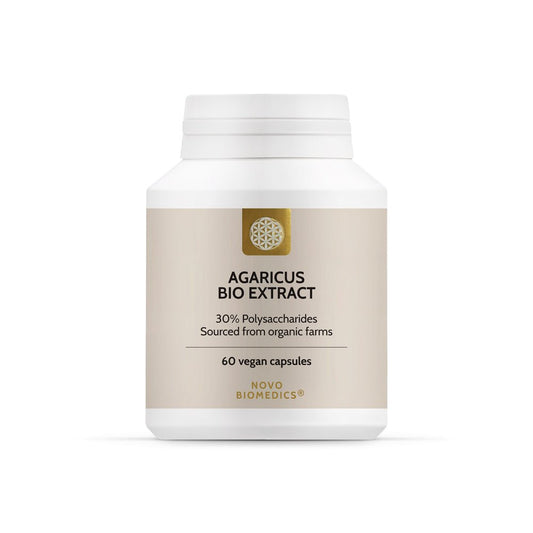
Agaricus Organic Extract
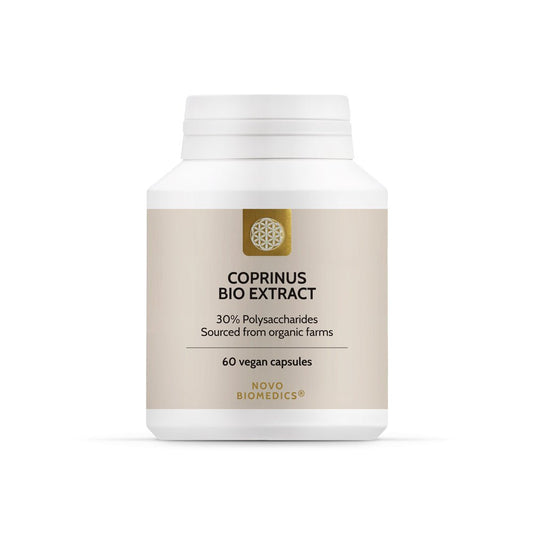
Coprinus Organic Extract
Diagnosis Is Not Destiny
Vitamins Made Easy for Everyone
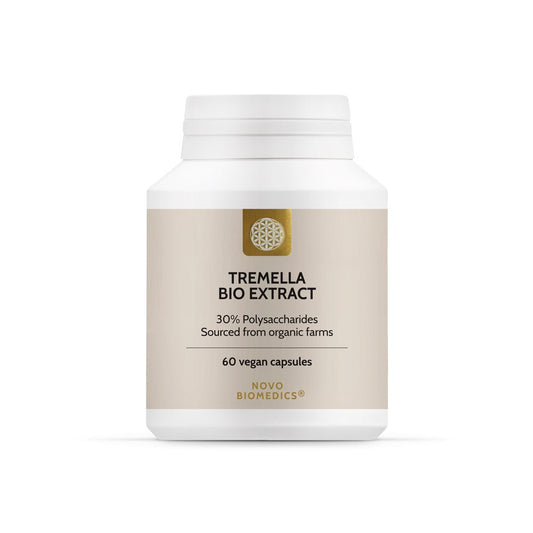
Tremella Organic Extract
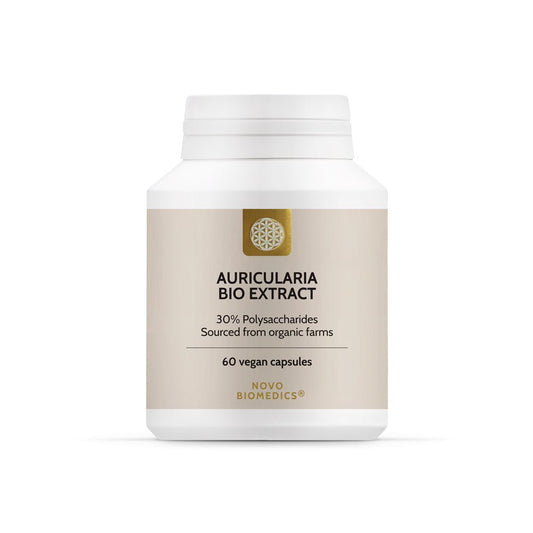
Auricularia Organic Extract
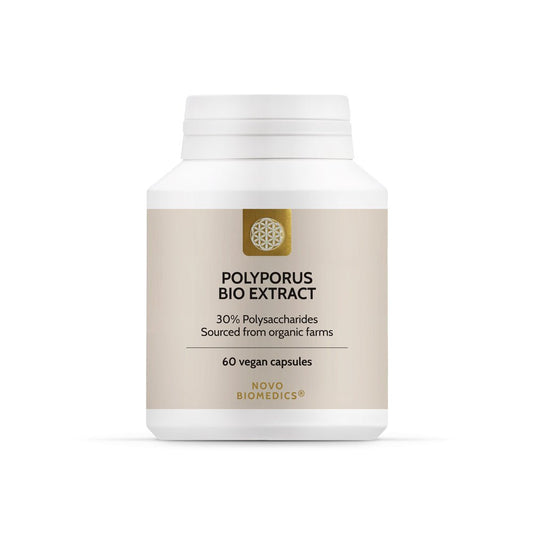
Polyporus Organic Extract
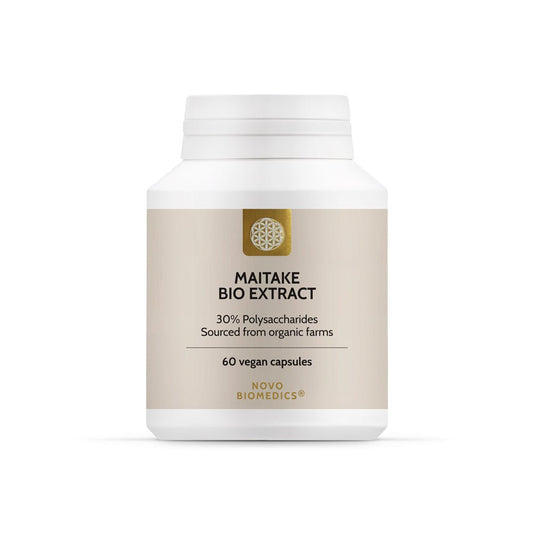
Maitake Organic Extract

Magnets for eye relaxation

2084 - Chronicle from a Sterile Future
Chaga Organic Extract

Relaxation mask with magnets
ELECTRONIC Format: Practical Remedies with Doctor Cip (pdf file)

ELECTRONIC FORMAT - 100 RECIPES TO LOSE WEIGHT WITHOUT COUNTING CALORIES (PDF)

ELECTRONIC FORMAT - 100 SUGAR-FREE DESSERTS (PDF)
Fill in with:
Coprinus Organic Extract
NAD-H+ Liposomal
Auricularia Organic Extract
Tremella Organic Extract
Liposomal Zinc Picolinate
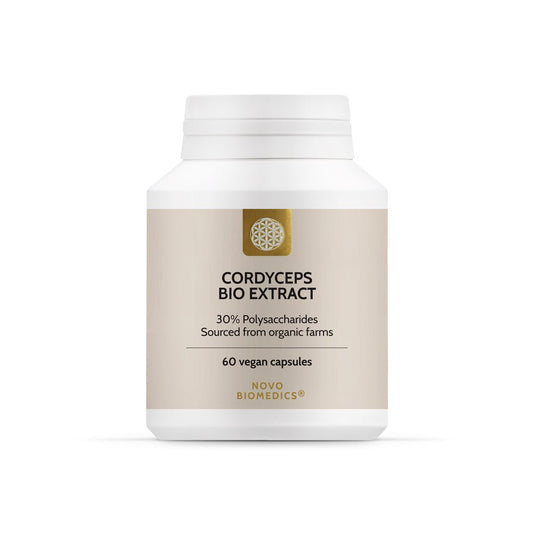
Cordyceps Organic Extract
Polyporus Organic Extract

Liposomal Coenzyme Q10
Maitake Organic Extract
2084 - Chronicle from a Sterile Future
Chaga Organic Extract
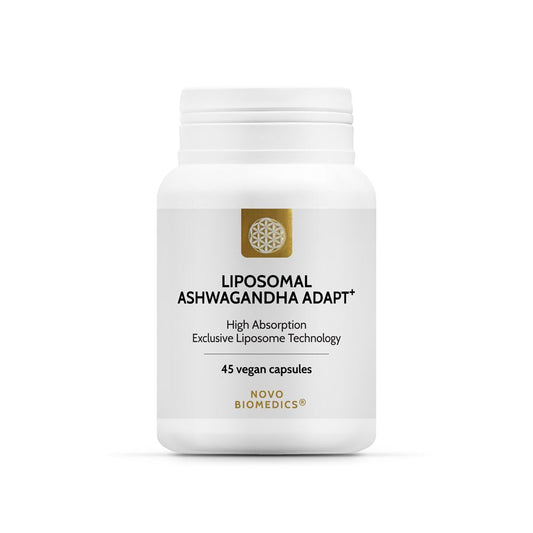
Liposomal Ashwagandha Adapt
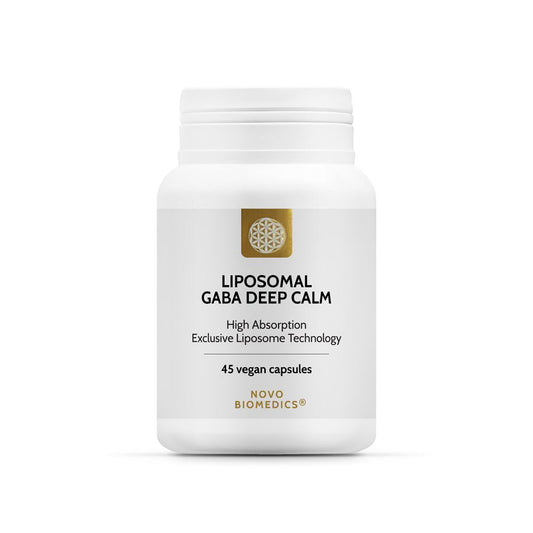
Liposomal Gaba Deep Calm
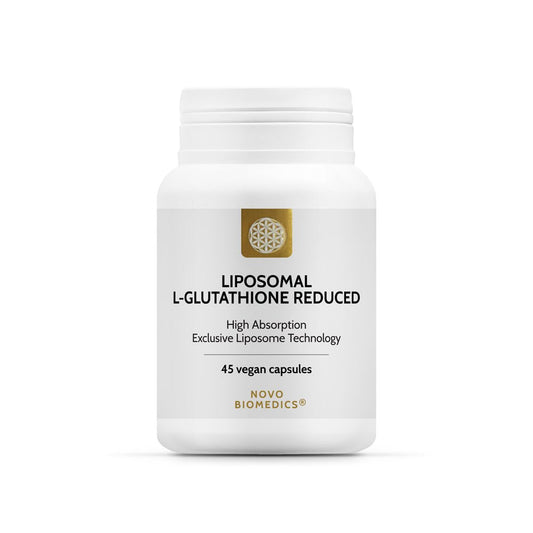
Reduced Glutathione Liposomal
Agaricus Organic Extract
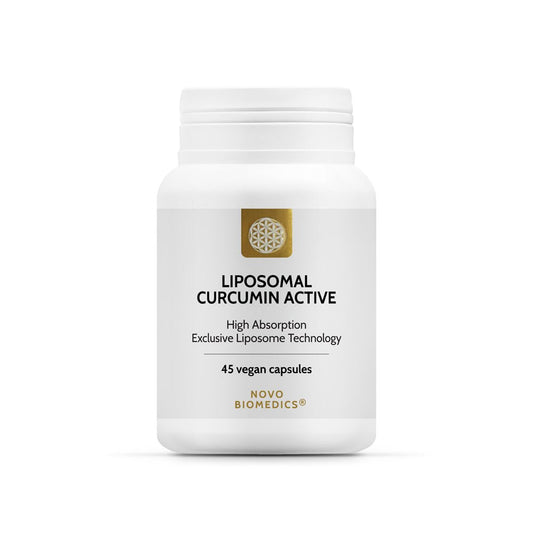
Active Liposomal Curcumin
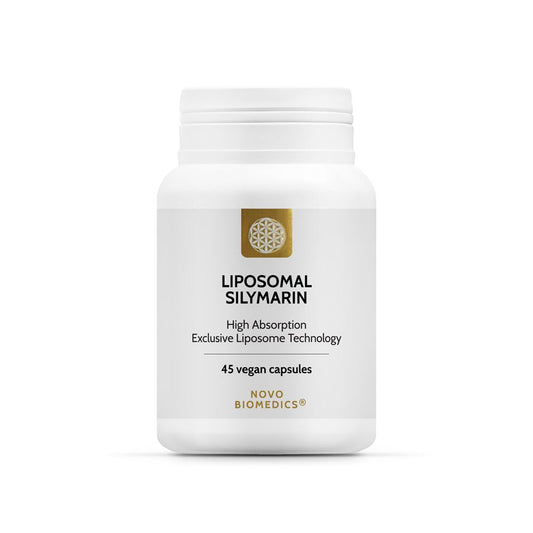
Liposomal Silymarin
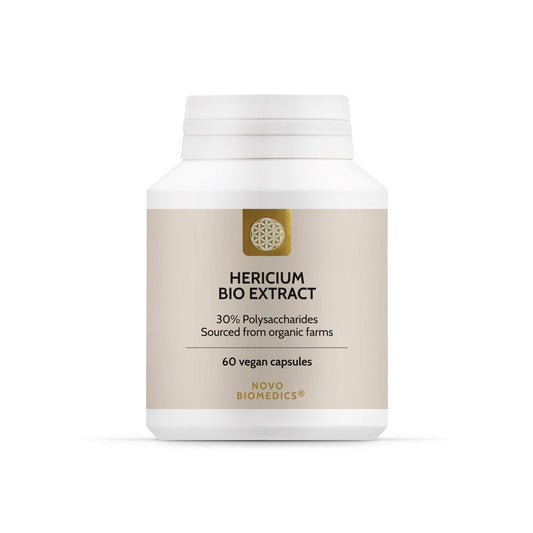
Hericium Organic Extract
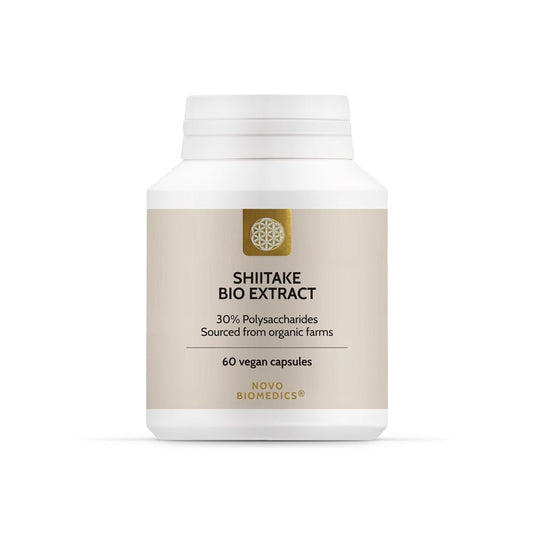
Shiitake Organic Extract
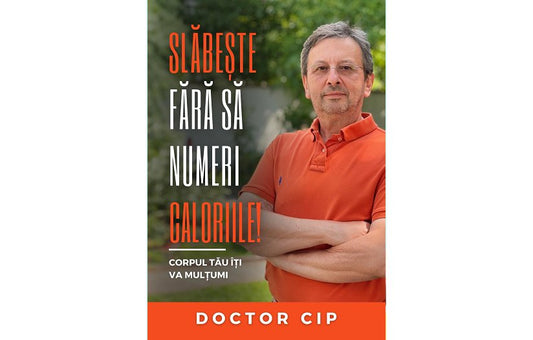
ELECTRONIC Format: Lose Weight Without Counting Calories (pdf file)
Fill in with:
Polyporus Organic Extract

Vitamin D3+K2+Magnesium Doctor Cip Selection
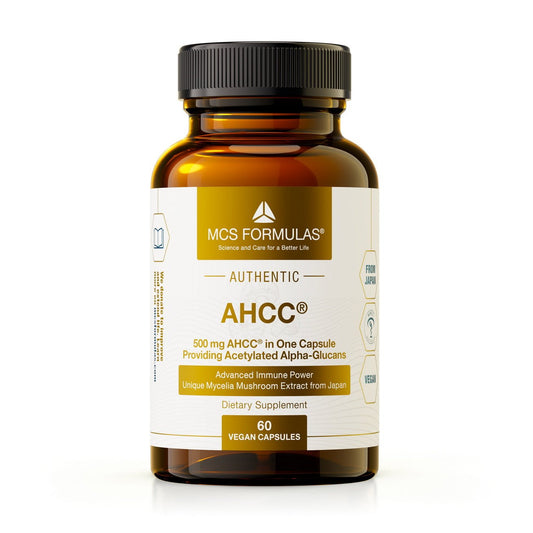
AHCC MCS FORMULAS
Active Liposomal Curcumin

Black Cumin Oil MCS Formulas 90 capsules
NAD-H+ Liposomal
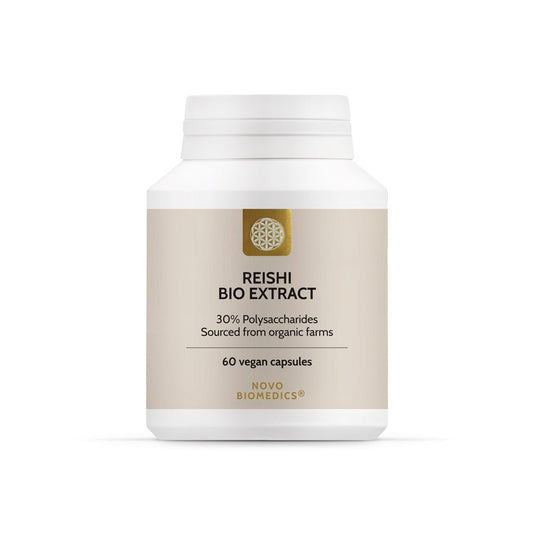
Reishi Organic Extract
Coprinus Organic Extract
Liposomal Ashwagandha Adapt
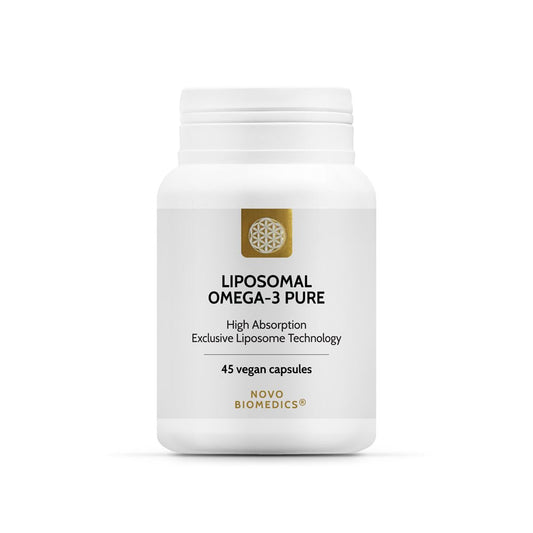
Liposomal Omega 3
Reduced Glutathione Liposomal
Agaricus Organic Extract
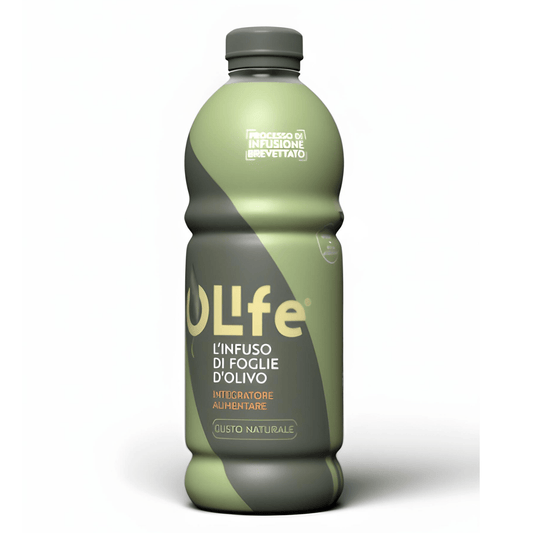
Olive Leaf Extract
Auricularia Organic Extract
Tremella Organic Extract
Maitake Organic Extract

Organic Cold-Pressed Coconut Oil 500 ml - Doctor Cip's Selection
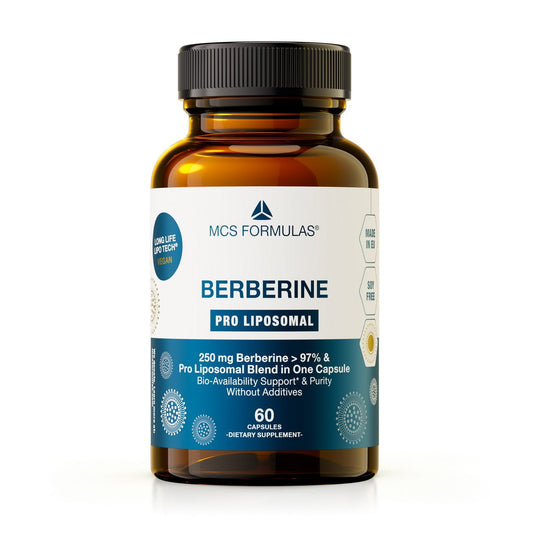
Berberine Pro Liposomal MCS
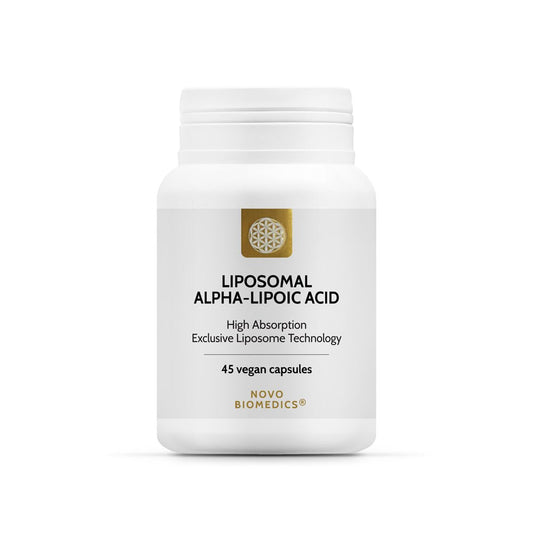
Alpha-Lipoic Acid Liposomal
Hericium Organic Extract
Frequently Asked Questions
How do I choose the right protocol for me?
How do I choose the right protocol for me?
Each organism is unique, but Doctor Cip recommends starting with the basic detoxification or metabolism packages. To help you choose, we have organized the products into clear categories based on conditions and goals.
Can I take supplements if I am undergoing medication treatment?
Can I take supplements if I am undergoing medication treatment?
Although the products are natural and have helped thousands of people, it is essential to consult your doctor before combining supplements with allopathic medication. Doctor Cip emphasizes that allopathic and complementary medicine can be allies, but patient safety is the priority.
How long do I need to follow a protocol to see results?
How long do I need to follow a protocol to see results?
The results depend on the complexity of each individual's situation. From Doctor Cip's experience, certain protocols have shown positive changes in tests even after 3 months of consistent use.
Are the products safe for long-term use?
Are the products safe for long-term use?
Yes, the selection of Doctor Cip supplements includes verified and safe ingredients, many of which are used by Doctor Cip and his family in critical moments.
Where can I find administration instructions for packages?
Where can I find administration instructions for packages?
Each product and package comes with detailed instructions. Additionally, you can check the "Blog and Education" section or the videos on social media, where Dr. Cip explains how each protocol works and how it should be integrated into the daily routine.